
wetroom glass screens
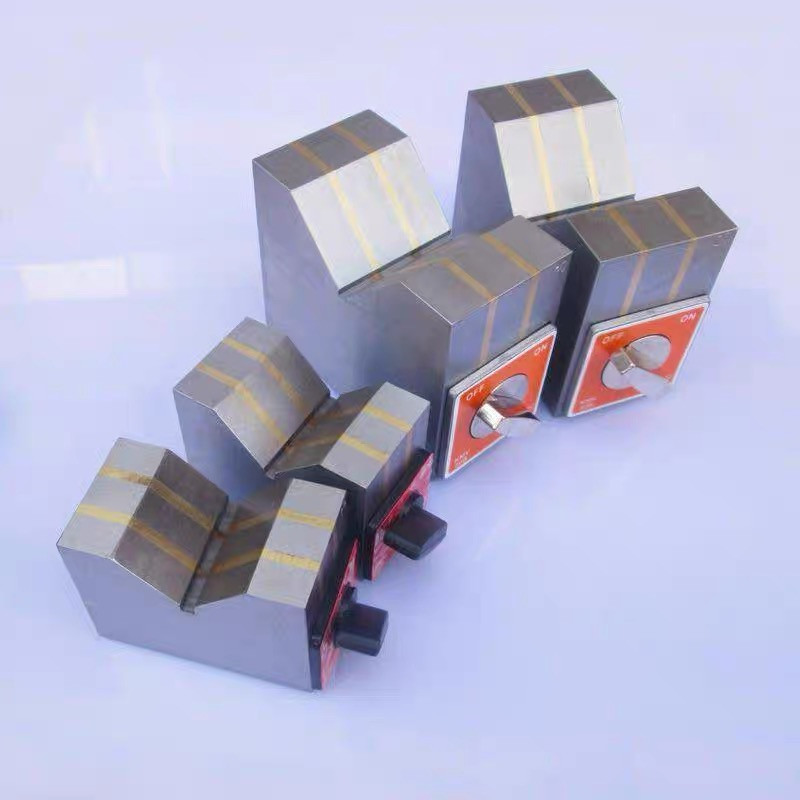
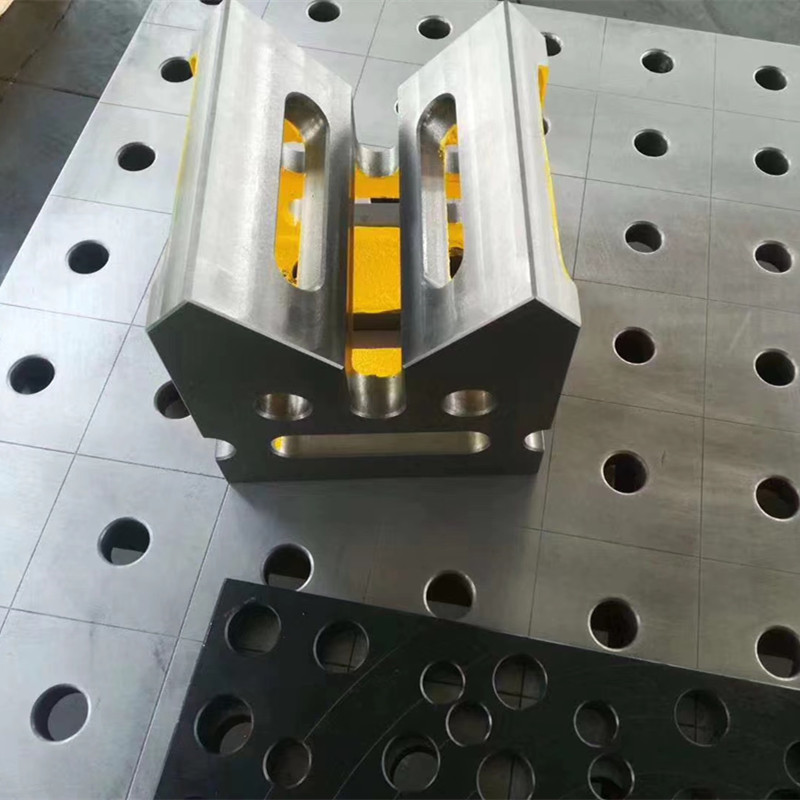
Understanding the Uses of Magnetic V Blocks Magnetic V blocks are essential tools in a wide array of machining, fabrication, and assembly processes. They combine the functionality of traditional V blocks, which are designed to hold cylindrical objects, with a powerful magnetic base that offers precision and stability. This article delves into the various applications, benefits, and considerations of using magnetic V blocks in different industries. What are Magnetic V Blocks? Magnetic V blocks are specialized devices that feature a unique V-shaped groove, enabling them to securely hold round or cylindrical workpieces. The magnetic base ensures that the block adheres firmly to the work surface, providing stability during machining or inspection processes. They are typically made from high-quality steel or cast iron, designed to endure rigorous mechanical operations. Applications in Machining and Fabrication 1. Precision Hold for Machining One of the primary uses of magnetic V blocks is in machining operations. They are instrumental in securely holding pieces while milling, drilling, or grinding. The magnetic grip allows for quick setup and repositioning, significantly reducing downtime and improving workflow. 2. Inspection and Measurement In quality control processes, magnetic V blocks are invaluable. They provide a stable platform for measuring instruments, ensuring that measurements are accurate and reliable. Whether you're using calipers, micrometers, or dial indicators, the secure hold reduces the risk of movement that could compromise data. 3. Welding Applications In welding, magnetic V blocks enable fabricators to position components accurately. The strong magnetic hold allows operators to concentrate on welding without worrying about misalignment, ensuring cleaner welds and stronger joints. This is particularly useful in pipe and tube fabrication, where precision is paramount. magnetic v block uses 4. General Assembly Operations In assembly lines, magnetic V blocks can assist in holding parts in place while they are fastened or connected. They streamline the assembly process, allowing for quick adjustments and reducing the chance of errors, particularly in high-volume manufacturing environments. Benefits of Using Magnetic V Blocks - Efficiency The magnetic feature allows for rapid setup and adjustments, saving valuable time in production processes. - Precision The stability provided by the magnetic hold enhances accuracy, leading to better quality outcomes in machining and assembly. - Versatility Magnetic V blocks can be used across various materials and applications, making them an indispensable tool in multiple industries such as automotive, aerospace, and manufacturing. - Ease of Use With simple on/off switches to activate or deactivate the magnet, these blocks are user-friendly and safe, even for operators with minimal training. Considerations When Using Magnetic V Blocks While magnetic V blocks offer numerous advantages, there are factors to keep in mind for optimal use - Surface Material Magnetic V blocks adhere best to ferromagnetic surfaces. On non-magnetic surfaces, their effectiveness diminishes. - Load Capacity Each magnetic V block has a specific load capacity. It’s crucial to ensure that the workpiece weight stays within the limits to avoid slippage or damage to the block. - Maintenance Regular maintenance and cleaning of magnetic surfaces are essential to maintain the strength of the magnetic hold and prevent debris accumulation that could affect performance. Conclusion Magnetic V blocks are an essential component in many engineering and manufacturing processes. Their ability to securely hold round objects while allowing for precise machining and measurement enhances productivity and accuracy across various applications. As technology advances and industries demand greater precision and efficiency, the reliance on tools like magnetic V blocks will likely continue to grow. Understanding their uses, benefits, and best practices ensures that operators can maximize the potential of these versatile tools, leading to better quality products and streamlined operations. Whether in a machine shop, assembly line, or inspection lab, magnetic V blocks are tools that facilitate precision and efficiency in today's fast-paced industrial landscape.
about
wetroom glass screens
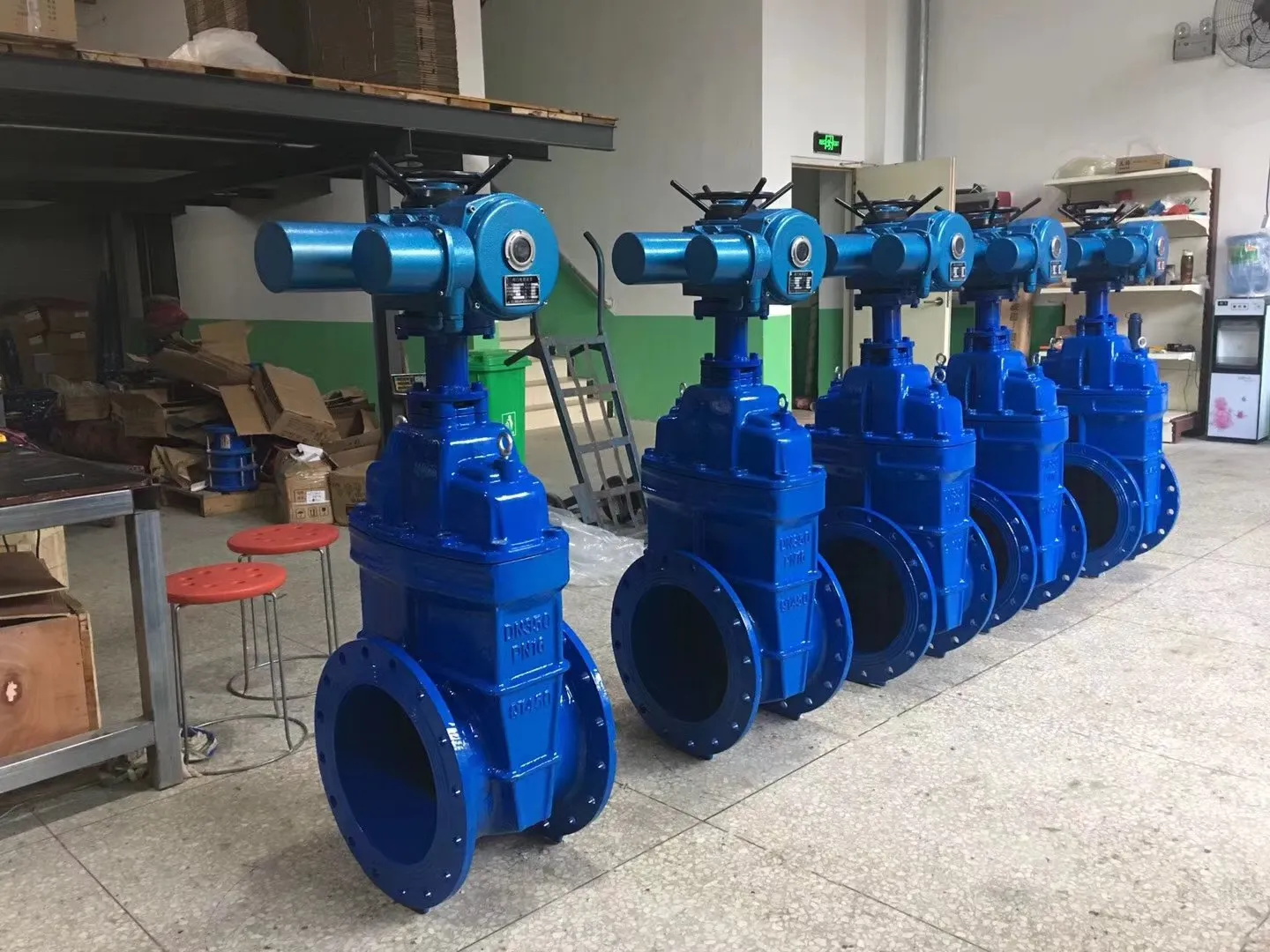
The Role of Control Valves in Hydraulic Systems Control valves are essential components in hydraulic systems, serving a crucial function in the regulation of fluid flow and pressure. These valves are designed to adjust the flow rate, direction, and pressure of hydraulic fluid within a system, allowing for precise control of machinery and processes. Understanding their operation and importance is fundamental for anyone involved in hydraulic engineering or maintenance. At its core, a control valve functions as a throttle mechanism. By manipulating the size of the passage through which the hydraulic fluid flows, these valves can efficiently regulate the flow rate. When the valve is opened, fluid can flow freely; as it is closed, the flow is restricted, leading to an increase in pressure upstream. This capability is particularly critical in hydraulic systems where precise control is necessary for the safe and efficient operation of machinery, such as cranes, excavators, and industrial presses. There are various types of control valves used in hydraulic systems, including proportional, servo, and on/off valves. Proportional valves allow for varied control based on the input signal, providing a smooth and responsive adjustment of flow rates. In contrast, servo valves are used for high-performance applications, offering rapid and accurate response times, making them ideal for systems requiring precise positioning and control. On/off valves, while simpler, can serve as effective solutions for systems that do not require fine-tuned flow control. control valve in hydraulic system The design and material of control valves are also vital considerations. Constructed from durable materials such as steel, aluminum, or plastic composites, these valves must withstand high pressures and temperatures typically encountered in hydraulic systems . Additionally, the valve's internal components, such as seals and actuators, play a significant role in its performance and longevity. Regular maintenance and monitoring of control valves are critical to ensuring the reliability and efficiency of hydraulic systems. Leaks, sticking, or wear in components can lead to performance loss and may even result in system failure. Implementing routine inspections and timely replacements can prevent costly downtimes and enhance system safety. In conclusion, control valves are indispensable in hydraulic systems, providing the necessary functionality to manage fluid flow and pressure effectively. Their various types and crucial roles in different applications underscore their importance in industrial settings. Understanding how these valves operate and maintaining them properly can lead to enhanced productivity, safety, and efficiency in hydraulic machinery, ultimately reflecting their importance in modern engineering and technology.
-

High quality industrial productsagement

High quality industrial products
View Details -

Meet the diverse needs of customers

Meet the diverse needs of customers
View Details -

Strict quality control

Strict quality control
View Details -

Top raw materials

Top raw materials
View Details -

Trusted supplier

Trusted supplier
View Details
Our application


news and information
Válvula borboleta 250mm
Válvula Borboleta de 250mm Eficiência e Versatilidade em Sistemas de Fluídos As válvulas borboleta t
Vòng vít đo
Đồ đo độ dày của vòng và vít Công cụ thiết yếu trong ngành công nghiệp Trong ngành công nghiệp hiện
Vibration Dampening Pads for Industrial Machinery and Equipment in Heavy Applications
Vibration Damping Pads for Heavy Machinery An Essential Component for Performance and Longevity In t
 English